
Suppliers of Packaging and Material Handling Equipment
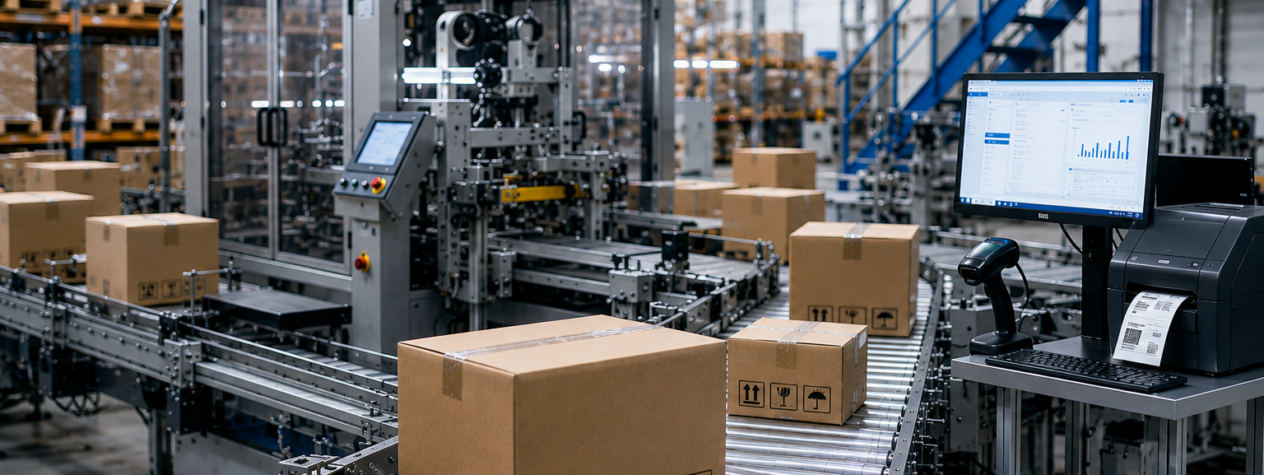
The packaging and material handling sector brings together packaging materials, machinery, automation, marking, information systems and logistics into an integrated whole that enables products to be packed, protected, identified, stored and delivered onwards.
The sector is part of almost all industrial production and trade. Its solutions are used, for example, in the food, bakery, pharmaceutical, chemical, forest and technology industries, as well as in retail, e-commerce, warehouses and logistics centres. Packaging connects production, storage, transportation and recycling, which means that its performance has a direct impact on security of supply, product safety and costs.
The section brings together companies in the sector and supports the development of a shared view of the industry’s future. The operating environment is particularly shaped by the increasing use of automation and digital solutions, changes in supply chains, and evolving requirements concerning packaging materials, recycling and producer responsibility.
Materials
Automation
Information retrieval
Logistics
Materials, automation, information management and logistics together form the functional chain of the packaging and material handling sector. The material and packaging method are selected according to the product and its intended use. Machinery and automation handle packaging, inspection and material handling. Markings and information systems provide products with the necessary information and enable traceability. Material handling and logistics move finished products from production to storage and onwards to the customer.
Packaging is part of the production process
The primary purpose of packaging is to protect the product from production through to use. The appropriate solution, however, always depends on the product, production volumes, storage, transportation and intended use.
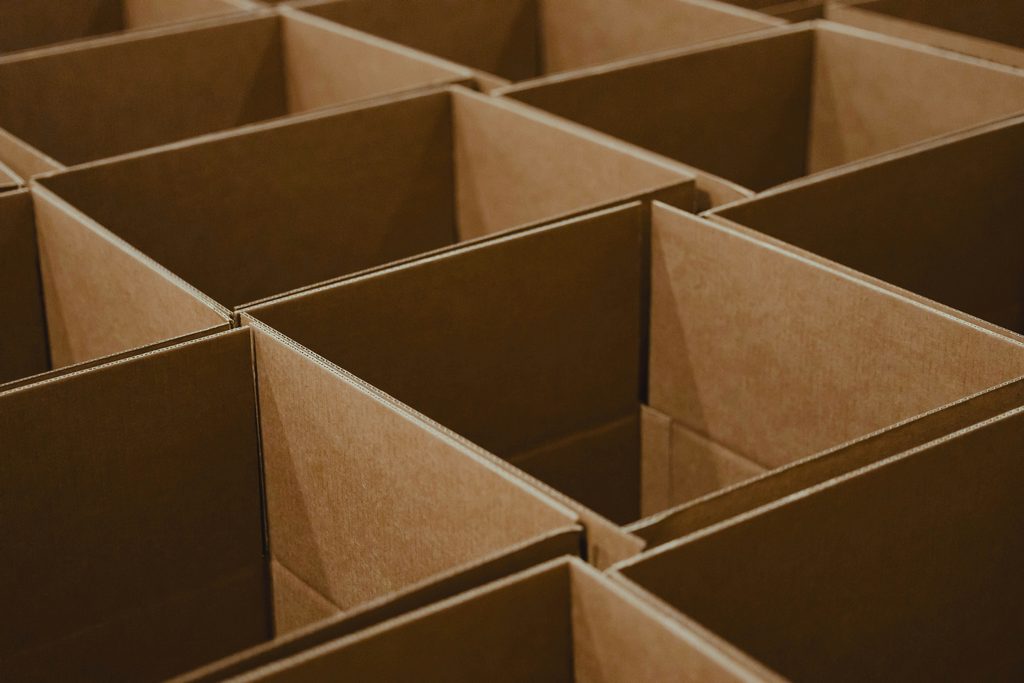
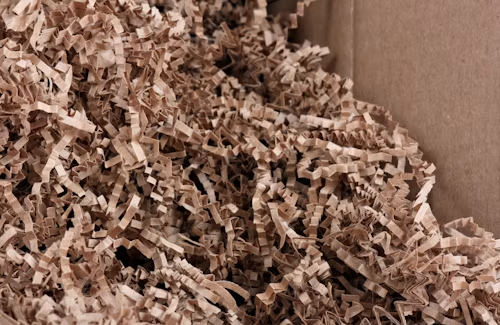
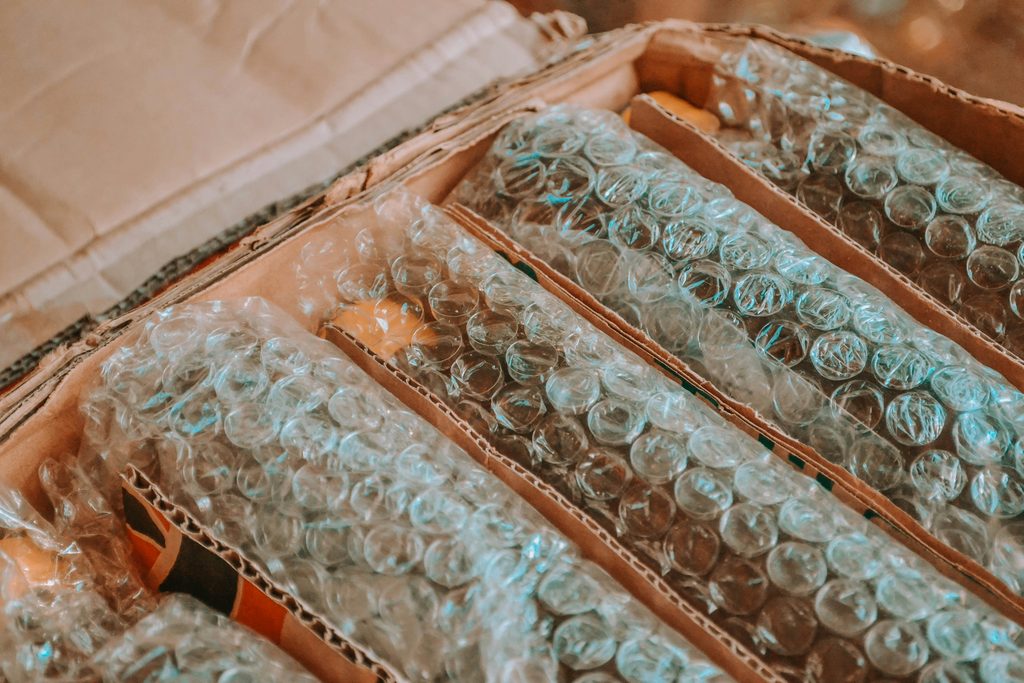
Packaging materials include paper, board, plastic, glass and metal, as well as new bio-based alternatives. Practical solutions include boxes, bags, films, tapes, cushioning materials and various types of protective packaging. Special applications may require, for example, food-grade materials, packaging that protects against moisture or corrosion, or other solutions tailored to the characteristics of the product.
Packaging machinery performs tasks ranging from dosing and filling to sealing, wrapping, case packing, group packaging and palletising. In the food industry, for example, vacuum packaging and modified-atmosphere packaging are used. Packaging lines can also incorporate weighing, X-ray and metal detection, leak testing and other quality assurance solutions.
Packaging therefore extends from preparing and protecting the product all the way to inspecting and handling the finished package.
Automation and data are transforming the packaging chain
Packaging lines increasingly make use of robotics, machine vision and automated material handling. Robots can handle products, pack them or build finished pallets. Machine vision can inspect the product, packaging or markings before the product moves to the next stage.
At the same time, packaging has become a carrier of information. Products, packages and transport units can include product information, dates, batch numbers, barcodes and other identifiers. Markings are produced using labels, stickers and various printing and marking technologies.
Readers, RFID technology and other data collection solutions enable products to be identified and tracked at different stages. The information can be integrated with production, warehouse and supply chain systems, allowing the same product to be followed from manufacturing to storage and onwards to the customer.
Integrations between warehouse management, packaging and enterprise resource planning systems reduce manual data transfer and help manage material flows, picking, packaging and deliveries as one integrated process.
Material handling continues where packaging ends
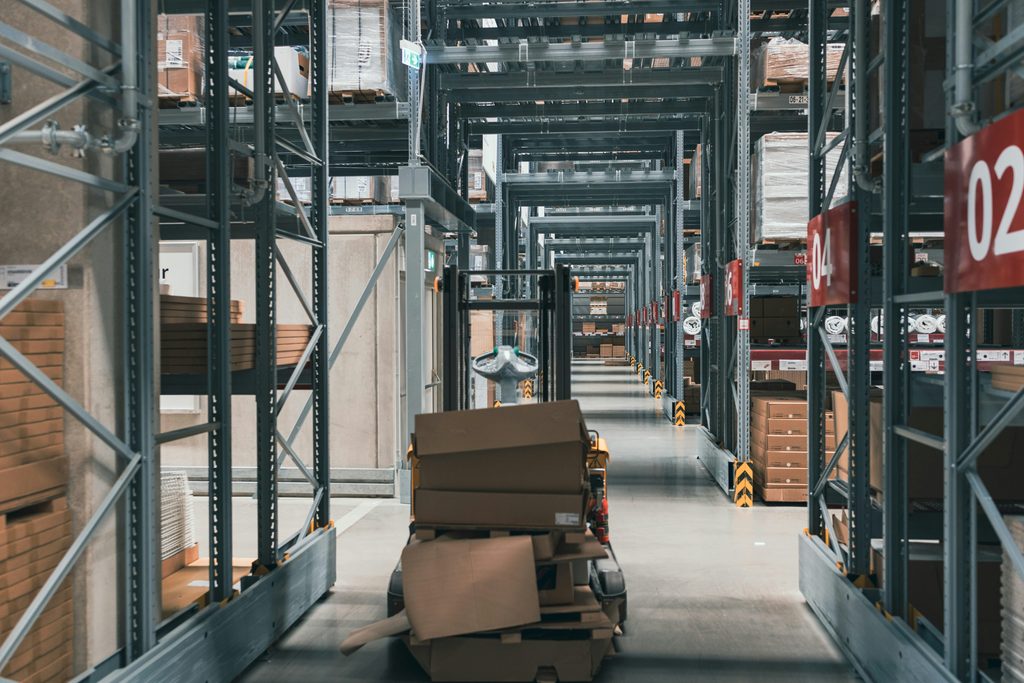
A finished package still needs to be moved, stored, picked and dispatched. Material handling is therefore an integral part of the packaging chain.
Solutions are used in production facilities, warehouses, dispatch areas and logistics centres. These may include conveyors, palletising systems, storage systems, goods handling equipment and internal logistics control systems.
E-commerce has increased the need for flexible packaging and material handling solutions. A single warehouse may process large volumes of products of different sizes as well as individual customer orders. In such environments, packaging size, automation, order picking and dispatch need to work together as seamlessly as possible.
"Packaging is not just about protecting the product. It is an integral part of production, information management and the entire supply chain."
Sustainability extends from materials to the supply chain
Sustainability in the packaging sector is assessed across the entire lifecycle of the package. Key considerations include the amount and origin of materials, recyclability, reuse, producer responsibility, transport efficiency and the reduction of packaging waste.
Above all, packaging must protect the product. Insufficient protection can increase damage and waste, while oversized packaging unnecessarily consumes materials and transport capacity. The aim is therefore to use materials appropriately and to optimise packaging according to the product and its supply chain.
The recyclability of packaging materials and the use of bio-based and recycled alternatives are also being developed. At the same time, companies must be able to respond to changing recycling and producer responsibility requirements.
Integrated solutions throughout the lifecycle
In the packaging and material handling sector, individual products increasingly form part of broader integrated solutions. In addition to materials or machinery, customers may require packaging line design, automation, marking, information systems and internal logistics solutions.
The member companies of Suppliers of Packaging and Material Handling Equipment also provide needs assessments, engineering, installation, commissioning, training, maintenance, spare parts and technical support. These services help ensure the performance of machinery and systems while supporting the continuous development of the customer’s packaging and logistics processes throughout the solution lifecycle.
The objective is to create an integrated whole in which product protection, efficient production, smooth material flows, reliable information and responsible use of materials work together.
The Chair of sector is Markku Tilli from Klinger Finland Oy and its Executive Officer is Juha Ala-Hiiro.